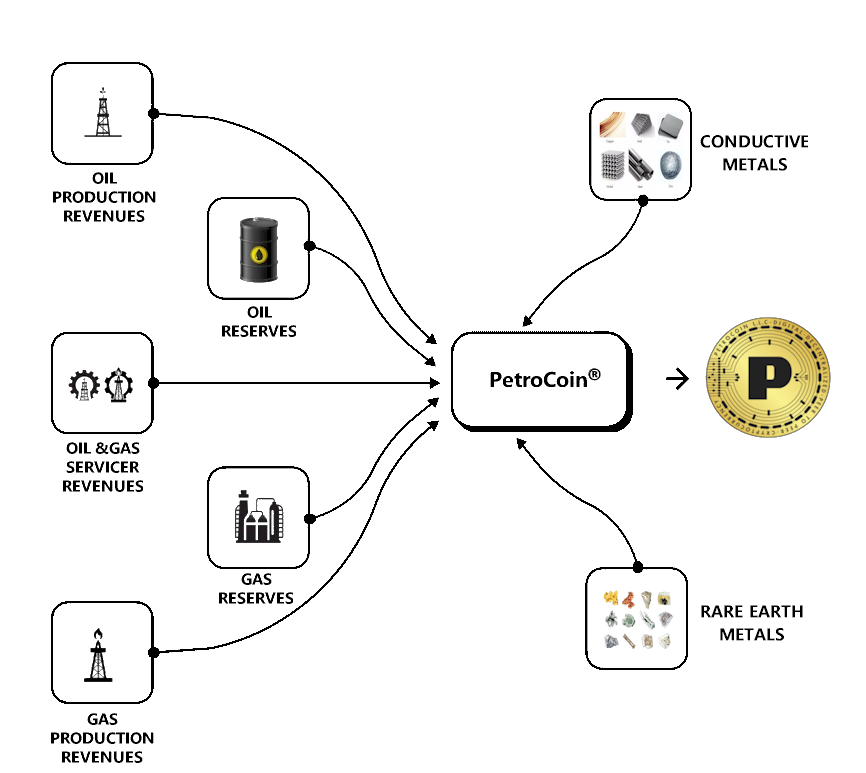
Asset Activities
PETROCOIN® CURRENT ASSET OPPORTUNITIES
$3 Billion +
Asset Baskets
Royalties
An oil and gas lease is a legal contract between a landowner and an oil company that gives the company the right to explore for and produce oil and gas on the landowner's property. The landowner, also known as the lessor, grants the right to the company, also known as the lessee, in exchange for royalty payments.
Working Interest
Working interest owners receive a percentage of the profits from the sale of the oil and gas produced from the lease. They also have the right to participate in drilling activities and benefit from the resources extracted.
Power Generation
Power generation, or electricity generation, is the process of converting energy into electricity. Power generation can be done using a variety of energy sources, including fossil fuels nuclear reactions and renewable sources. Power generation plants use a variety of technologies to produce electricity, including steam boilers and wind turbines. Most power generation equipment uses a mechanism that spins an alternator to produce electricity. Power Generation facilities earn revenue off the sale of power sold to specific users.
Services
Oil and gas services are products and processes that support the oil and gas industry, including exploration, transportation, processing, delivery and IT solutions that support the industry.
Infrastructure
Oil and gas infrastructure is the equipment, installations, and facilities that energy companies use to run their operations.
It includes:
Upstream: The infrastructure included in identifying, extracting, or producing materials
Midstream: The infrastructure included in operations linking upstream and downstream and include transportation and storage services
Downstream: The infrastructure included in the post-production of crude oil and natural gas activities
Conductive & Rare Earth Metals
Conductive metals consist of mostly silver, copper, and gold, due to their free-moving electrons, with silver being the best, followed by copper (widely used in wiring) and gold (used for corrosion resistance). Other good conductors include aluminum, nickel, and zinc, while common examples found in daily life include iron, brass.
Rare Earth Elements (REEs) include 17 such conductive metals including Nano Copper, Lanthanum, Cerium, Neodymium, Yttrium, Scandium, and Dysprosium, which are soft, malleable, silvery metals valued for their conductivity, magnetism, and roles in high-tech devices like electronics, magnets, and lasers.
Of the many uses of alloids, these can be used for hydrogen and L&G plants and for piping and windings for generating power.
Precious Metals
Precious metals are rare, naturally occurring metallic elements of high economic value, primarily gold, silver, platinum, and palladium, prized for their corrosion resistance, conductivity, and use in investment and industry. Valued for over 5,000 years, they serve as inflation hedges and portfolio diversifiers.
Outside The Normal
Rare Assets.
A CLOSER LOOK AT THE PETROCOIN ASSETS OWNED
TOTAL CURRENT ASSETS OWNED
$ 1,446,000,000 +
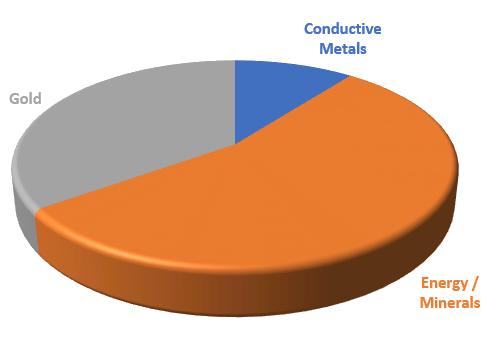
$ 100,000,000 +
PetroCoin® Asset Offtake Overview:
- Forward purchase agreement for $100 Million in five-nines gold, structured in tranches of $10 Million, $20 Million, $30 Million, and additional tranches to reach $100 Million over next 12 months, with five additional annual contract extensions.
- Negotiations underway for over $3 Billion plus in additional asset acquisitions, all to be transacted with the PetroCoin® token.
Check back often as this number will continuously move higher as PetroCoin® adds more and more value to its asset baskets.
A CLOSER LOOK AT THE PETROCOIN ECONOMICS
The Technical Side
Understanding PetroCoin® Token
PetroCoin® represents a groundbreaking integration of blockchain technology with the oil and gas industry. It involves converting physical proven reserves of oil and gas and service revenue streams into digital tokens, each token denoting a specific fraction of the actual oil and gas values.
The quick presentation below provides more technical information on how our private blockchain trading platform, PetroCoin® token works.
- Allows for the new issuance of Securities Tokens
- Allows for secondary trading of Securities Tokens
- Allows for settlement of Securities Tokens
Our PetroCoin® Token
Understanding Petrocoin®
The Make Up of a Solid Asset Backed Token!