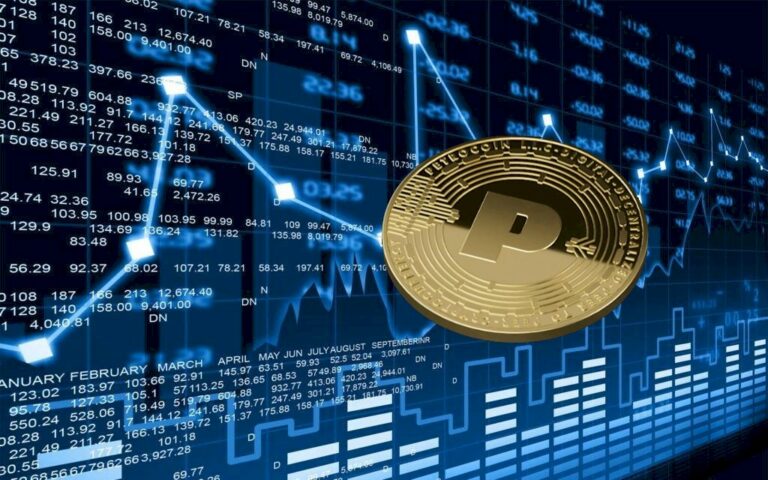
Real World Assets (RWA)
Explained
DEFINITION
Real-world assets (RWAs) in blockchain are digital tokens that represent physical and traditional financial assets, such as currencies, commodities, equities, and bonds.
Real-world asset (RWA) tokenization is one of the largest market opportunities in the blockchain industry, with a potential market size in the hundreds of trillions of dollars. In theory, anything of value can be tokenized and brought to the blockchain.
This is why tokenized RWAs are a growing market segment in the digital asset industry, with an increasing number of projects looking to tokenize a wide variety of assets, including cash, commodities, real estate, and much more.
What Are Real-World Assets (RWAs)?
Tokenized real-world assets (RWAs) are blockchain-based digital tokens that represent physical and traditional financial assets, such as cash, commodities, equities, bonds, credit, artwork, and intellectual property. The tokenization of RWAs marks a significant shift in how these assets can be accessed, exchanged, and managed, unlocking an array of new opportunities for both blockchain-powered financial services and a wide variety of non-financial use cases underpinned by cryptography and decentralized consensus.
Asset tokenization is among the most promising use cases for blockchain technology, with its potential market size encompassing nearly all human economic activity. The future of finance is blockchain, and it’s likely to feature hundreds of blockchains supporting trillions of dollars of tokenized RWAs on a common substrate consisting of blockchain and distributed ledger technology-based networks connected by a universal interoperability standard.

Tokenizing Real-World Assets
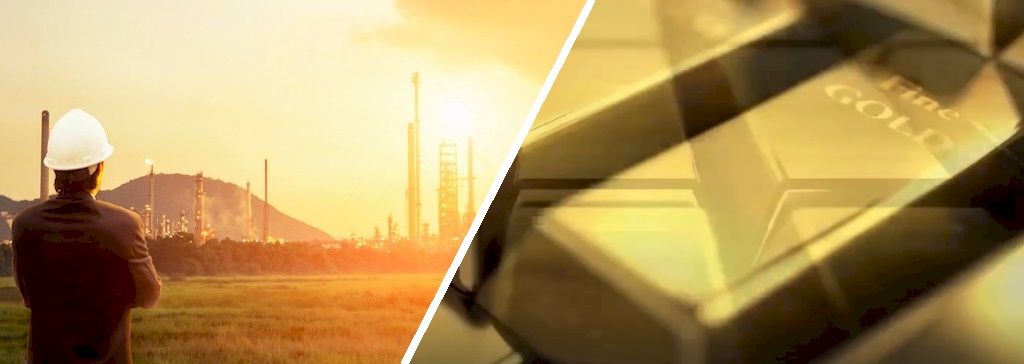
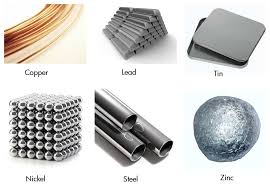
Tokenizing real-world assets involves representing the ownership rights of assets such as PetroCoin® tokens. In this process, a digital representation of the underlying asset is created, enabling PetroCoin® management of the asset’s ownership rights and helping to bridge the gap between physical and digital assets.
Tokenized assets benefit from enhanced liquidity, increased access, transparent blockchain management compared to traditional assets.
How To Tokenize Real-World Assets
The high-level process of tokenizing a real-world-asset involves several steps.
Asset selection: Determining the real-world asset to be tokenized.
Token specifications: Determining the type of token (fungible or non-fungible), the token standard to be used (like ERC20 or ERC721), and other fundamental aspects of the token.
Blockchain selection: Choosing the public or private blockchain network on which to issue the tokens. Integrating Cross-Chain Interoperability Protocol (CCIP) helps make the tokenized RWA available on any blockchain.
Issuance: Deploying the smart contracts on the chosen network, minting the tokens, and making them available for usage.
Real-World Assets in DeFi
Tokenized RWAs have the potential to fundamentally change the landscape of decentralized finance. In many ways, DeFi served as a proof of concept for finance as the superior technological layer for facilitating financial and economic activity. However, an overwhelming majority of assets are outside of the blockchain ecosystem—yet, they could benefit from the technology’s advantages. This is why tokenized RWAs are key for growing the digital asset industry by orders of magnitude by letting a majority of assets that are currently not in the blockchain ecosystem be used with blockchain rails.
Making the assets that are currently outside of the digital asset ecosystem blockchain-enabled will create a financial system with better liquidity conditions, more transparency with decreased systemic risks, and conflict-of-interest-free infrastructure that enables a more equitable environment where a select few can’t take advantage of the system for their own benefit.
Benefits of Real-World Asset Tokenization
Tokenized real-world assets offer numerous benefits, including:
Liquidity: By enabling globally accessible liquidity conditions on a unified substrate—the blockchain ecosystem with cross-chain activity, tokenized RWAs enable increased market liquidity for traditionally illiquid assets.
Transparency: Since the tokenized assets are represented, transparency and auditable asset management are ensured, which decreases overall systemic risks, as the amount of leverage and risk in the entire system can be more accurately determined.
Accessibility: Tokenized RWAs can broaden the potential user base of certain asset types by enabling easier access through blockchain-based applications and allowing a broader set of users to utilize assets that would otherwise be unavailable to them through fractional ownership.
Navigating the Risks of RWA Tokenization
Tokenized RWAs also present some risks, mainly on the side of the custody of physical assets, which must be reliably done, and the connection to the outside world. In addition, there’s scope for smart contract bugs and vulnerabilities. Finally, it isn’t enough just to issue an asset, there must also be good market liquidity or demand for it in order for it to thrive.